


You probably forgot you even subscribed to this thing. That’s fair. I disappeared like a ghost, and now, the day after Halloween, I’m jumping out from behind yelling “BOO!” like my seven-year-old son friends who leave candies outside our door.
So consider this your Halloween jump-scare. Startup Growth Diaries is back from the dead. 💀

Yes, I know. It’s been a while.
So long, in fact, that the only fitting soundtrack for this email is Staind’s 2001 classic. Press play, let Aaron Lewis do the apologizing for me, and keep reading:
No long excuses here. Life, work, launches, the usual. But I kept collecting stories I wanted to share with you, and one of them showed up this Halloween weekend in a way I couldn’t ignore. It involves a robotaxi and a couple of skeletons.
Bone voyage
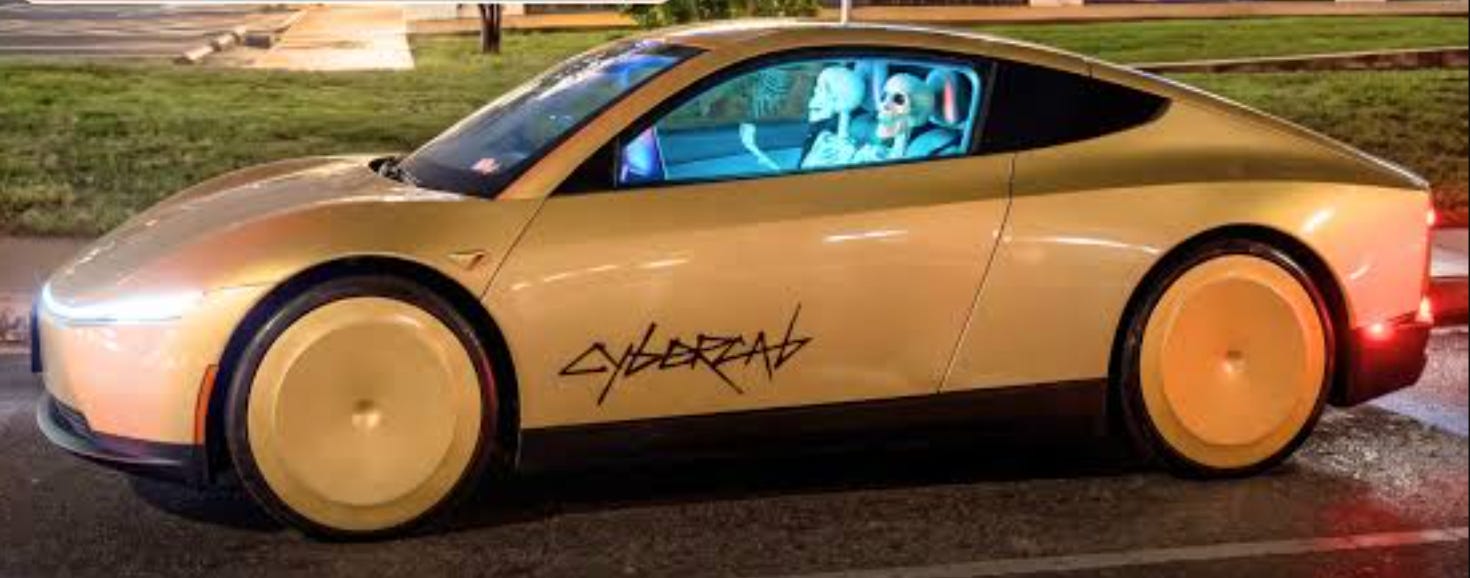
On Halloween, Tesla’s Robotaxi account posted a short nighttime clip: a driverless Cybercab cruising through Austin with two skeletons sitting inside. The caption was two words: “Bone voyage.”
Watch Tesla’s “Bone voyage” post on X

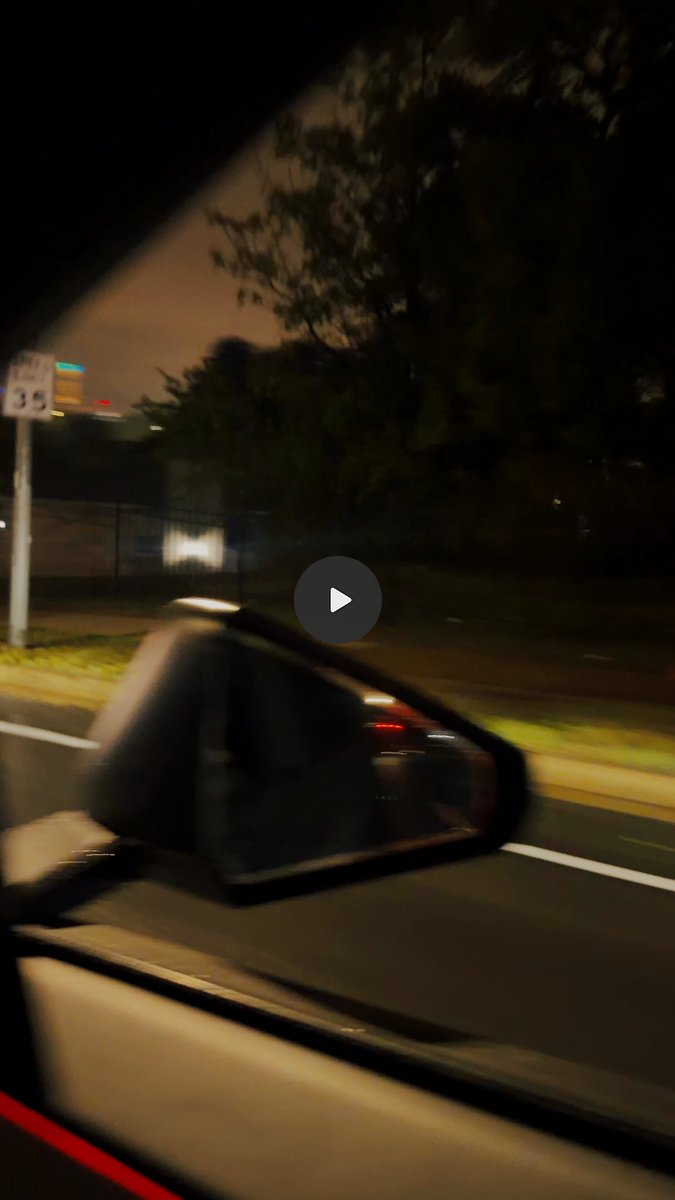
I loved it. Here’s why it works so well.
It’s instantly viral. A car full of skeletons is funny, seasonal and shareable. Nobody needs it explained, and the replies wrote the jokes for them (”skeletons take Cybercabs because they don’t have the guts to drive”).
The product is the joke. The Cybercab has no steering wheel and no pedals. So who’s driving? Nobody. Not even a living passenger. The skeletons aren’t decoration, they’re the proof. If a car can carry passengers who literally have no brain, no eyes and no pulse, the message is clear: this thing really drives itself.
It’s on brand all the way down. The same week, Tesla’s Halloween software update turned pedestrians into skeletons on the self-driving screen. Two Halloween moments, both built from the product itself, not from a costume slapped on top of it.
That’s not a Halloween post that happens to include a car. It’s a product demo wearing a Halloween costume.
Put your product in every creative
This is the part that made me smile, because it’s a rule I lived by for years.
At Wix, we had one unwritten law for video: the product goes in. Always. A holiday greeting, a brand film, a funny social clip, a Super Bowl spot. It didn’t matter what the story was about. Somewhere in there, someone was building a website on Wix.
Some people saw it as a constraint. I saw it as the whole point. Here’s what it does:
Every view becomes a demo. People who would never watch a product tutorial will happily watch something fun. Let the fun carry the product in.
Creativity gets a job. A clever idea with no product in it is entertainment. A clever idea built on the product is marketing.
The brand and the product become one memory. People remember the joke, and the joke is your product. They can’t separate the two.
It forces better ideas. “Make something funny” is easy. “Make something funny where our product is the punchline” is hard, and the hard version is the one that works.
Tesla’s skeletons are the perfect example. They didn’t put a pumpkin on the hood. They made their product’s biggest claim, it drives itself, the punchline of the joke.
Before your next campaign, holiday post or brand video, ask one question:
Could this exist without our product in it?
If the answer is yes, go back and find the version where your product is the hero, or better yet, the punchline. That’s the version people will share, and the version they’ll remember.
That’s it from me. It’s good to be back, and I promise the next one won’t take a whole season to show up.
Hit reply and tell me the best “product as the punchline” campaign you’ve seen. I’ll share my favorites in the next issue.
Boo,
Idan.

Yes! Finally 😍👑